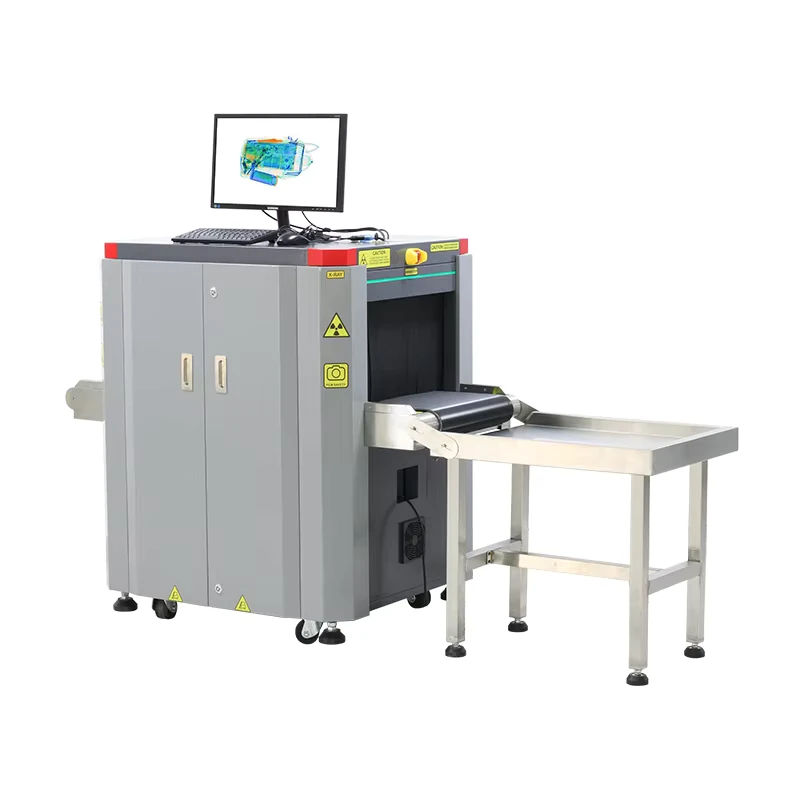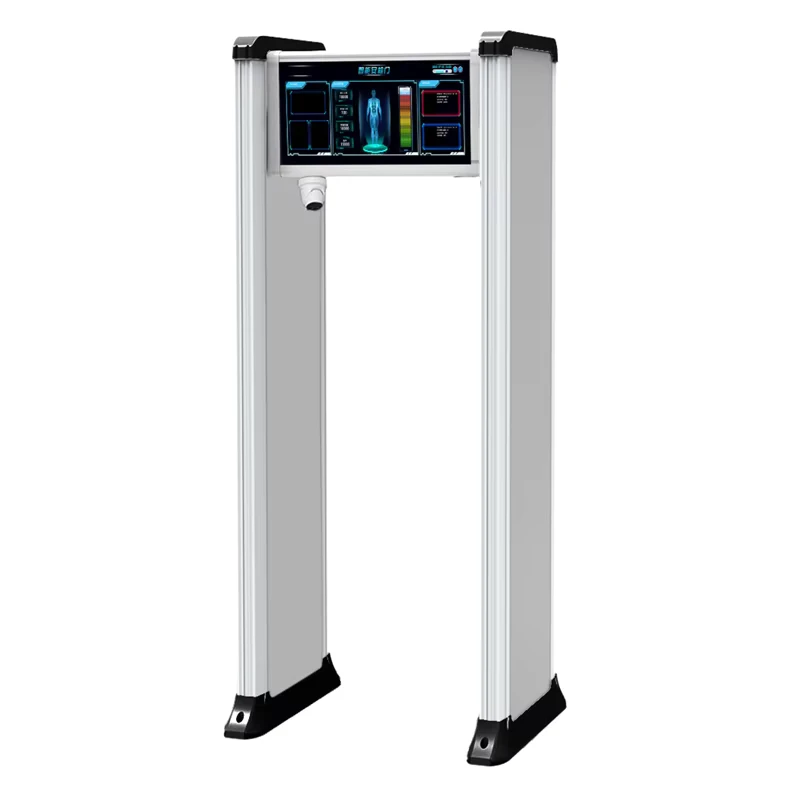

Compare veterinary pinpointers, thermal walkthrough gates, and conveyor inspection systems for focused OEM and distribution programs.
Metal detection procurement is not limited to choosing one standard security device. Veterinary screening, controlled-entry inspection, and production-line quality control require different formats, sensitivity options, and operating features. Importers and distributors can build a more useful portfolio by matching each detector to a clearly defined application.
Detection Tools for Veterinary and Entry Screening
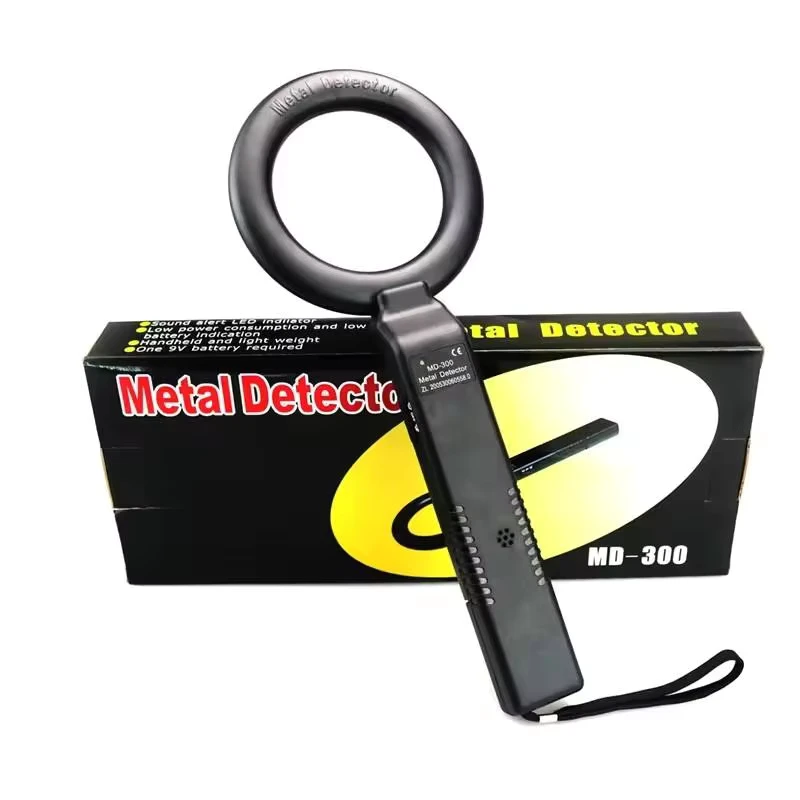
The veterinary pinpointer is designed for specialized animal inspection tasks, including metal detection around cattle. Its industrial-grade positioning, black housing, and OEM color support make it relevant to veterinary equipment suppliers, agricultural distributors, and private-label buyers seeking a focused handheld product.
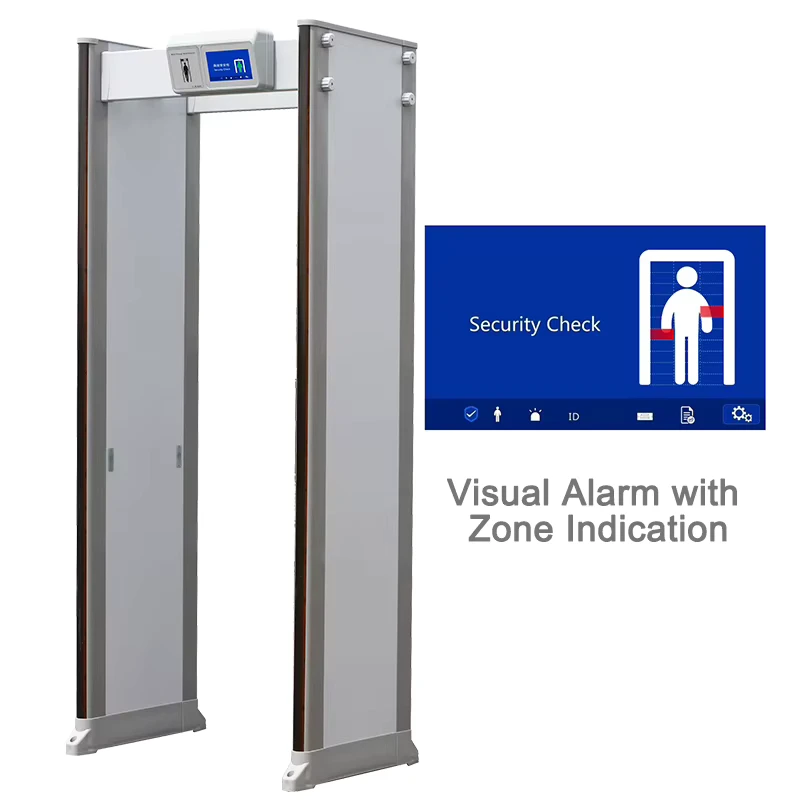
For entrances that require more structured screening, the thermal walkthrough gate combines metal detection with an optional temperature measurement function. It offers adjustable sensitivity levels, built-in security detection programs, and a selectable working frequency range. These configuration choices can help project buyers align equipment with installation conditions and screening procedures.
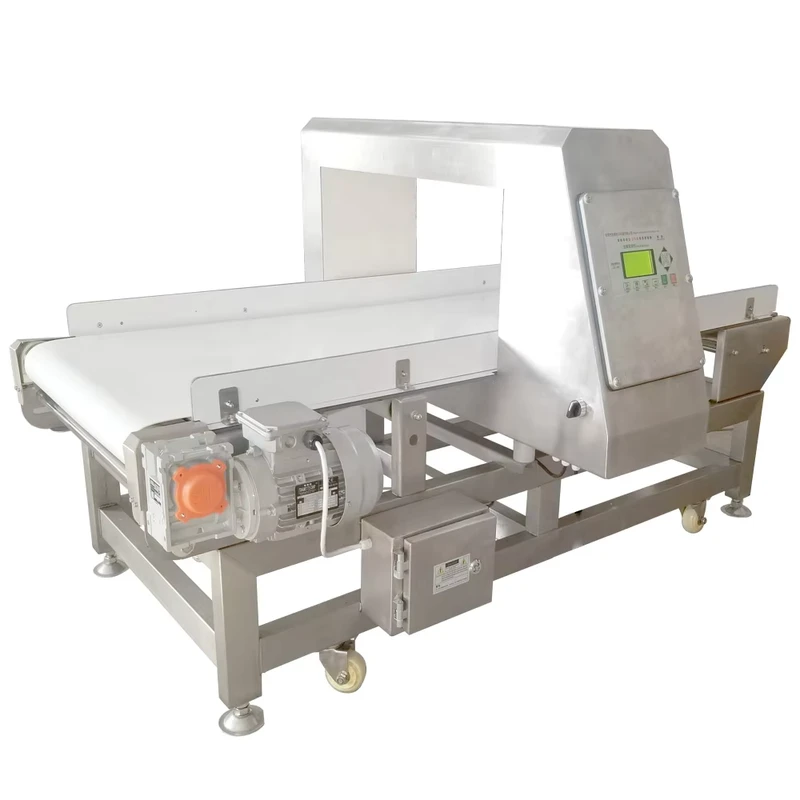
Conveyor Inspection for Production Environments
The conveyor metal detector addresses a different purchasing requirement: continuous product inspection. Its listed configuration includes audible and visual alarms, automatic motor stopping, an LCD control panel, a variable-speed conveyor, SUS304 stainless steel construction, a PU belt, and IP66 waterproof protection. This format is suitable for buyers evaluating hygienic, line-integrated detection equipment, with ISO9001, HACCP, and CE approval information available for procurement review.
These products show the breadth of today’s security metal detectors, from portable veterinary tools to doorway systems and conveyor units. Buyers should confirm application, target material, sensitivity expectations, operating environment, documentation, and customization before ordering. Contact us to discuss specifications, OEM requirements, distribution opportunities, or project-based quotations.