
Compare walk-through screening, aluminum-pouch metal detection, and pole-camera inspection for practical facility and production procurement.
A screening checkpoint, a packaged-food line, and a difficult-to-reach roof do not present the same inspection problem. For procurement teams, the useful question is not which device is “best,” but what must be found, where inspection happens, and how operators will respond.
Match the Tool to the Inspection Point
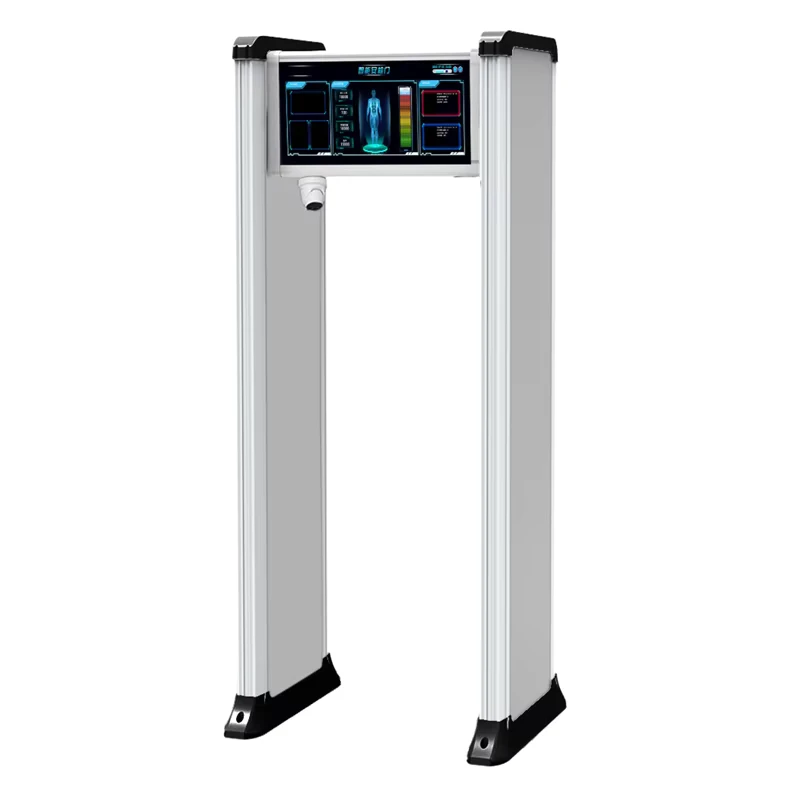
For controlled entrances at malls, airports, offices, hotels, and public buildings, a walk-through security gate supports high-sensitivity metal screening without requiring each visitor to be checked individually. Its remote-control capability can also help authorized staff manage settings according to the site’s operating procedures.
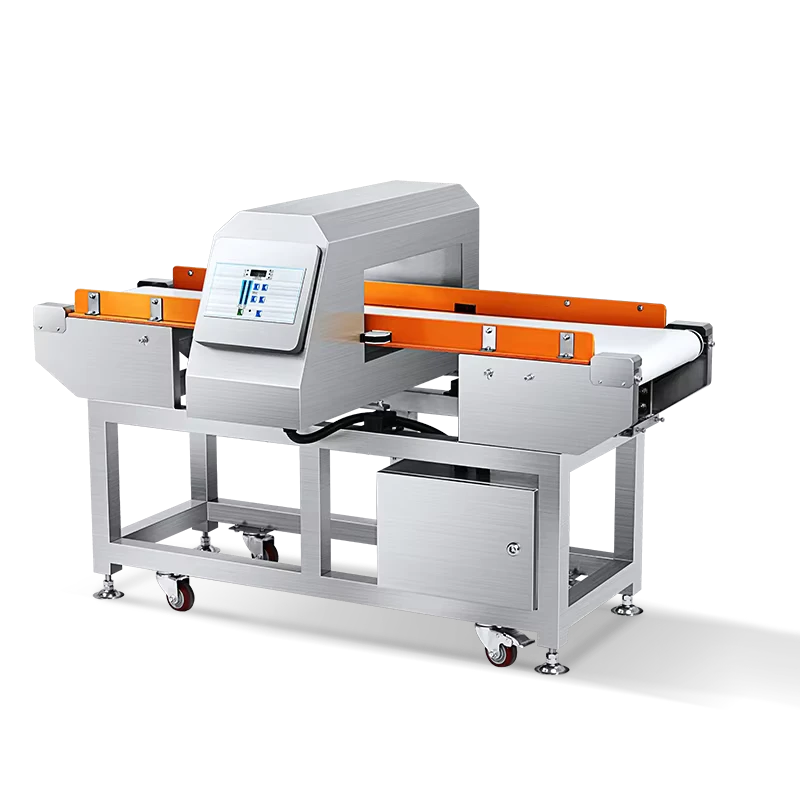
Production lines require a different approach. The aluminum-pouch detector is designed for conveyor-based inspection of products packed in aluminum foil. It features 304 stainless steel construction, sound and light alarms, and optional pusher, air, or flap rejection devices. Buyers should confirm the 220 V, 50 Hz supply, product dimensions, belt speed, sensitivity targets, and required rejection method before ordering.
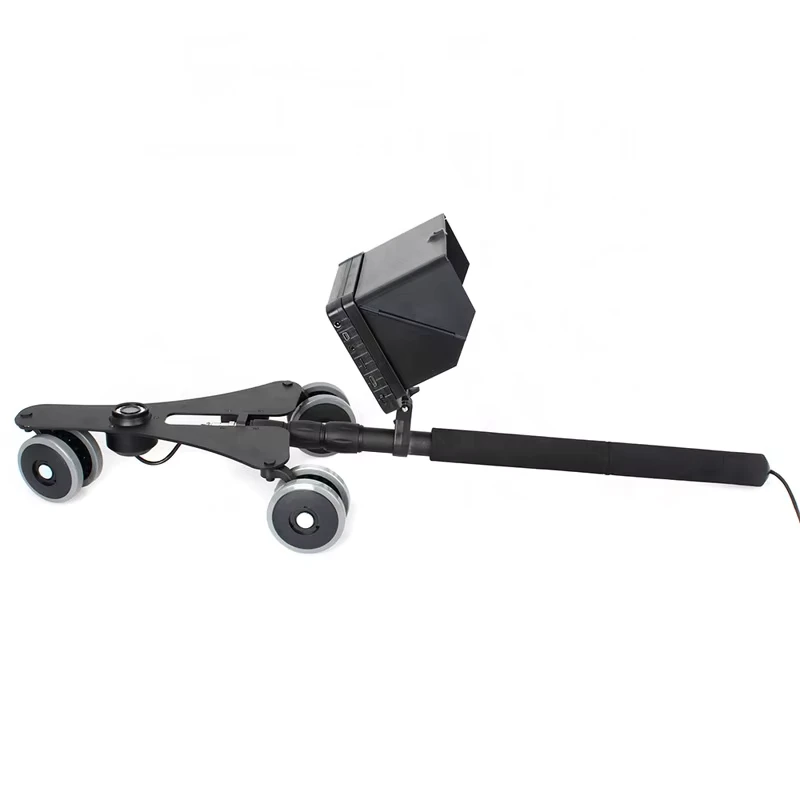
Some risks cannot be assessed through metal detection alone. A pole inspection camera adds visual access to roofs, elevated structures, and concealed areas. Its 5 m pole, 1080p camera system, adjustable handle, and 7-inch monitor with sunshade make it a practical complementary tool for inspection teams.
Build a Clear Procurement Specification
Importers, distributors, and project buyers should compare detection objectives, installation environment, operator training, maintenance access, documentation, and local electrical requirements. Reviewing the broader security detection range can help identify the right combination rather than forcing one device into every task.
When requesting a quotation, share the application, inspection target, operating conditions, destination market, quantity, and customization needs. Clear project information allows the supplier to recommend a more suitable configuration and prepare an accurate commercial proposal.